
Survey Readiness Is an Ongoing Operational Priority
In skilled nursing, survey performance affects more than compliance. It influences star ratings, reimbursement stability, referral relationships, and community trust.
Nutrition-related citations remain one of the most preventable — yet persistent — areas of vulnerability.
Deficiencies often emerge from operational inconsistency:
- Therapeutic diet errors
- Incomplete documentation
- Inaccurate portioning
- Kitchen staffing shortages
- Menu deviations
While many facilities work diligently to meet dietary requirements, maintaining consistency in a labor-constrained environment is increasingly difficult.
Survey readiness is rarely compromised by intent. It is compromised by variability.
Facilities seeking structured support for reducing dietary complexity can explore Nutré's long-term care solutions here.
The Growing Complexity of In-House Kitchen Models
Historically, skilled nursing facilities operated fully staffed kitchens with dedicated dietary teams. Today's environment is different.
Facilities are navigating:
- Persistent labor shortages
- Rising food procurement costs
- Increased regulatory scrutiny
- Greater therapeutic diet complexity
- Higher documentation expectations
When food preparation depends on rotating staff, varying skill levels, and manual interpretation of therapeutic guidelines, even well-managed kitchens can experience inconsistency.
Small deviations — slightly higher sodium levels, inaccurate carbohydrate distribution, or undocumented substitutions — may seem minor in isolation. During survey review, they can become reportable deficiencies.
The operational burden of maintaining clinical dietary precision continues to grow.
How Standardization Reduces Compliance Risk
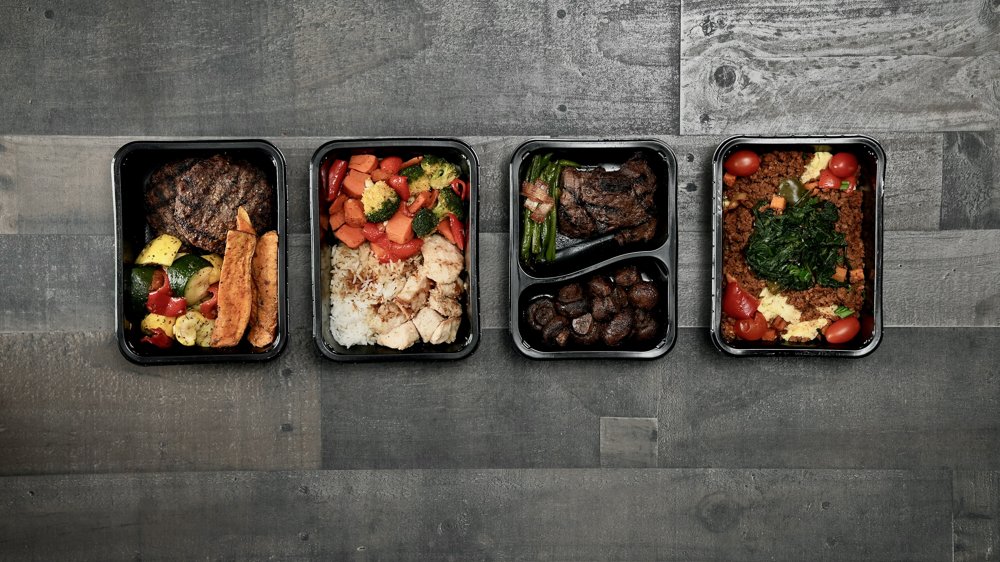
Standardized, medically tailored meal programs reduce reliance on variable kitchen execution.
When meals are:
- Clinically developed
- Pre-portioned
- Nutritionally defined
- Ready to heat and serve
The margin for dietary error narrows significantly.
This model supports consistency in:
- Carbohydrate control for diabetic residents
- Sodium regulation for cardiac patients
- Texture modification compliance
- Ingredient transparency
Nutré's meals are developed by an in-house nutrition team and are approved by the American Diabetes Association — adding an additional layer of clinical credibility to therapeutic menu management.
For administrators evaluating alternatives to traditional kitchen models, Nutré's broader healthcare platform provides additional context.
Documentation and Survey Confidence
Surveyors examine not only menus but documentation accuracy and therapeutic consistency. When meal systems are standardized, documentation becomes more aligned with actual nutritional delivery. Pre-defined macronutrient profiles and ingredient transparency simplify review processes.
Instead of relying on manual oversight of multiple kitchen variables, facilities operate within a structured nutritional framework.
Consistency strengthens confidence.
Addressing Staffing Pressures Without Sacrificing Quality
Skilled nursing leaders are making difficult operational decisions in an environment defined by workforce instability.
Maintaining full-scale culinary teams requires:
- Recruiting skilled kitchen staff
- Managing call-offs
- Coordinating procurement
- Overseeing dietary compliance
- Controlling waste
Simplifying food service through medically tailored meal delivery reduces dependence on specialized culinary labor.
This does not mean reducing quality. It means reducing operational fragility.
For insight into ingredient standards and preparation philosophy, this behind-the-scenes look at Nutré's approach provides additional perspective.
Transparency in ingredients and preparation supports both compliance and resident satisfaction.
Resident Experience and Perception of Care
Food is one of the most visible aspects of daily life in long-term care.
Residents and families evaluate quality through consistency, taste, and presentation. When meals feel institutional or inconsistent, perception of care can decline — even when clinical services remain strong.
Chef-crafted, medically tailored meals that resemble real food — while meeting therapeutic requirements — reinforce dignity and satisfaction.
Survey readiness and resident morale are not competing priorities. When nutrition is structured effectively, they align.
Conclusion: Reducing Variability Strengthens Stability
In today's regulatory environment, skilled nursing facilities cannot rely on effort alone to protect survey outcomes. They need systems that reduce variability.
Standardized, medically tailored meals help facilities:
- Lower compliance risk
- Ease staffing pressure
- Improve documentation consistency
- Strengthen resident experience
Survey readiness is not achieved during inspection week. It is built into daily operations.
Facilities that modernize their nutrition infrastructure position themselves for greater stability in a challenging healthcare landscape.